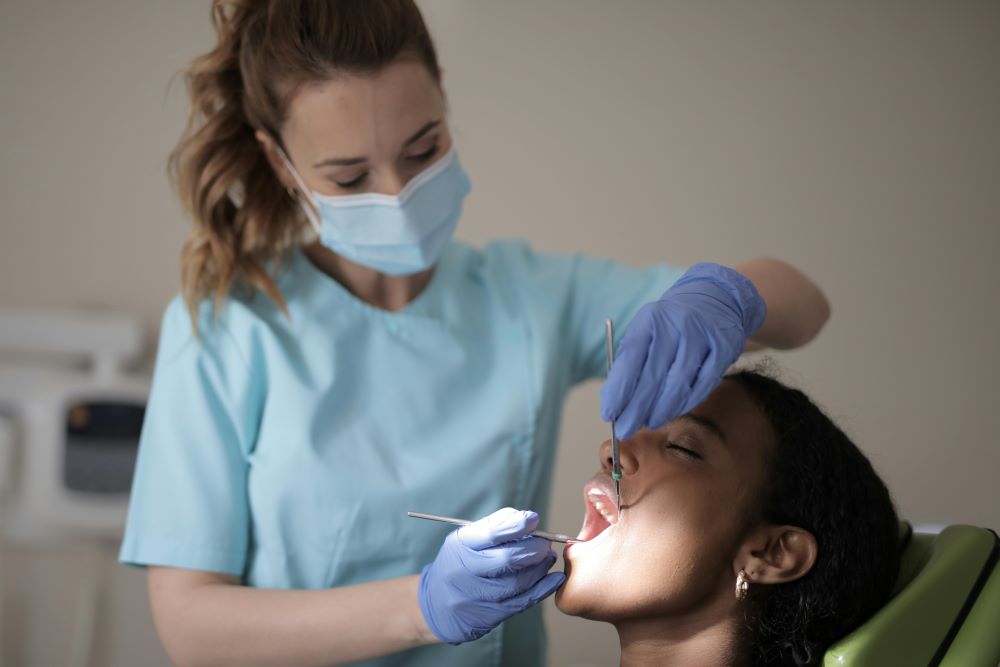

Many people search can gum disease kill you after noticing bleeding gums. The Canadian Dental Association does not describe gum disease as life-threatening, but it does warn that untreated gum disease can cause tooth loss and has been linked to diabetes and heart disease. At Yonge Wellesley Dental in Toronto, gum disease is diagnosed with probing, charting and digital X-rays.
- Gum disease is very common: seven out of 10 Canadians will develop it at some point, according to the CDA
- It often does not hurt, so it can become serious before you notice anything
- Untreated gum disease can lead to tooth loss, painful infections and loose teeth
- It has been linked to diabetes and heart disease, which is one more reason to treat it early
- Early gum disease can be reversed, and later stages can still be treated and managed
- Regular exams and cleanings are the best way to catch it in time
It is a fair question. You notice blood in the sink, read something alarming online, and start to wonder how serious your gums really are. At Yonge Wellesley Dental, in the Yonge and Wellesley area of downtown Toronto, we would rather you ask than worry in silence.
This article explains what the evidence from the Canadian Dental Association says about the risks of gum disease, how it damages the mouth step by step, and what you can do to protect both your teeth and your health.
Can Gum Disease Kill You? The Short Answer
So, can gum disease kill you? The Canadian Dental Association does not describe gum disease itself as a life-threatening condition. What the CDA does say is serious enough on its own:
- Untreated gum disease can cause tooth loss
- It has been linked to other health conditions, such as diabetes and heart disease
- It can lead to a painful infection called an abscess between the teeth and gums
- It ranks among the leading causes of tooth loss in adults
"Linked" matters here. It means the conditions are connected, not that one has been proven to cause the other. Even so, a link to diabetes and heart disease is a good reason to treat gum health as part of your overall health, not just your smile.
What Are the Risks of Gum Disease?
When people ask what are the risks of gum disease, they are often thinking about the rest of the body. The risks inside the mouth are better understood, and they build up in stages.
Stage 1: Gingivitis
Everything starts with plaque, the soft, sticky layer of germs that builds up on teeth daily. Left in place, it turns into hard tartar, which sticks so firmly that a dentist or hygienist has to remove it.
That tartar irritates and infects the gum edge. The CDA calls this first stage gingivitis. Gums can turn slightly red and bleed a little during brushing, while many people feel nothing at all.
Stage 2: Pockets of Infection
If gingivitis continues, small infected spaces develop between gum and tooth. They are hidden from view, yet you may see swollen gums, pink on your brush or gums that change shade. Soreness is uncommon at this point.
Stage 3: Attachment and Bone Loss
Gradually the infection loosens the seal between gum and tooth, and the supporting bone begins to shrink as well. Swelling, bleeding and colour changes usually become more obvious here.
Stage 4: Loose Teeth and Tooth Loss
Once too little gum and bone remain, teeth can loosen and eventually be lost. Untreated gum disease can also leave gums constantly tender and swollen, or lead to an abscess, a painful pocket of infection.
Can Periodontitis Kill You?
Periodontitis is the more advanced form of gum disease, where bone and attachment loss have started. People ask can periodontitis kill you because the word sounds more serious, and it is more serious for your teeth.
The CDA's message is the same for every stage: the main danger is losing teeth, and gum disease has been linked to conditions such as diabetes and heart disease. Advanced cases need professional care. The CDA notes that a dentist may refer serious cases to a periodontist, a dental specialist with at least three years of extra training in treating gum disease.
Why Gum Disease Is Easy to Miss
One of the biggest risks is simply not knowing you have it. The CDA explains that gum disease tends to progress quietly, often without any discomfort. Some people notice nothing until the disease is serious and teeth are in danger.
Watch for these warning signs, and book a visit if you notice any of them:
- Gums that bleed almost every time you brush or floss
- Bad breath that does not go away with brushing
- A tooth that feels a little loose
- Gums that look red, swollen or a different colour
- Teeth that suddenly feel sensitive
Even a slightly loose tooth deserves prompt attention, according to the CDA. For a full list of symptoms and how we confirm a diagnosis, see our gum disease treatment in Yonge and Wellesley page.
Can You Save Your Teeth With Periodontal Disease?
The encouraging part of the CDA's guidance: most gum disease is preventable, it responds to treatment once it starts, and it can even be turned around while it is still early.
So can you save teeth with periodontal disease? In many cases, treatment aims to do exactly that: stop the infection, protect the remaining gum and bone, and keep the teeth stable. How much can be saved depends on how much support has already been lost, which is why early diagnosis matters so much.
Gum recession is often part of the picture, because infection pulls the gums away from the teeth. If that is your main concern, our guide on how to stop gum recession explains the causes and what can be done.
How We Find and Treat Gum Disease at Our Clinic
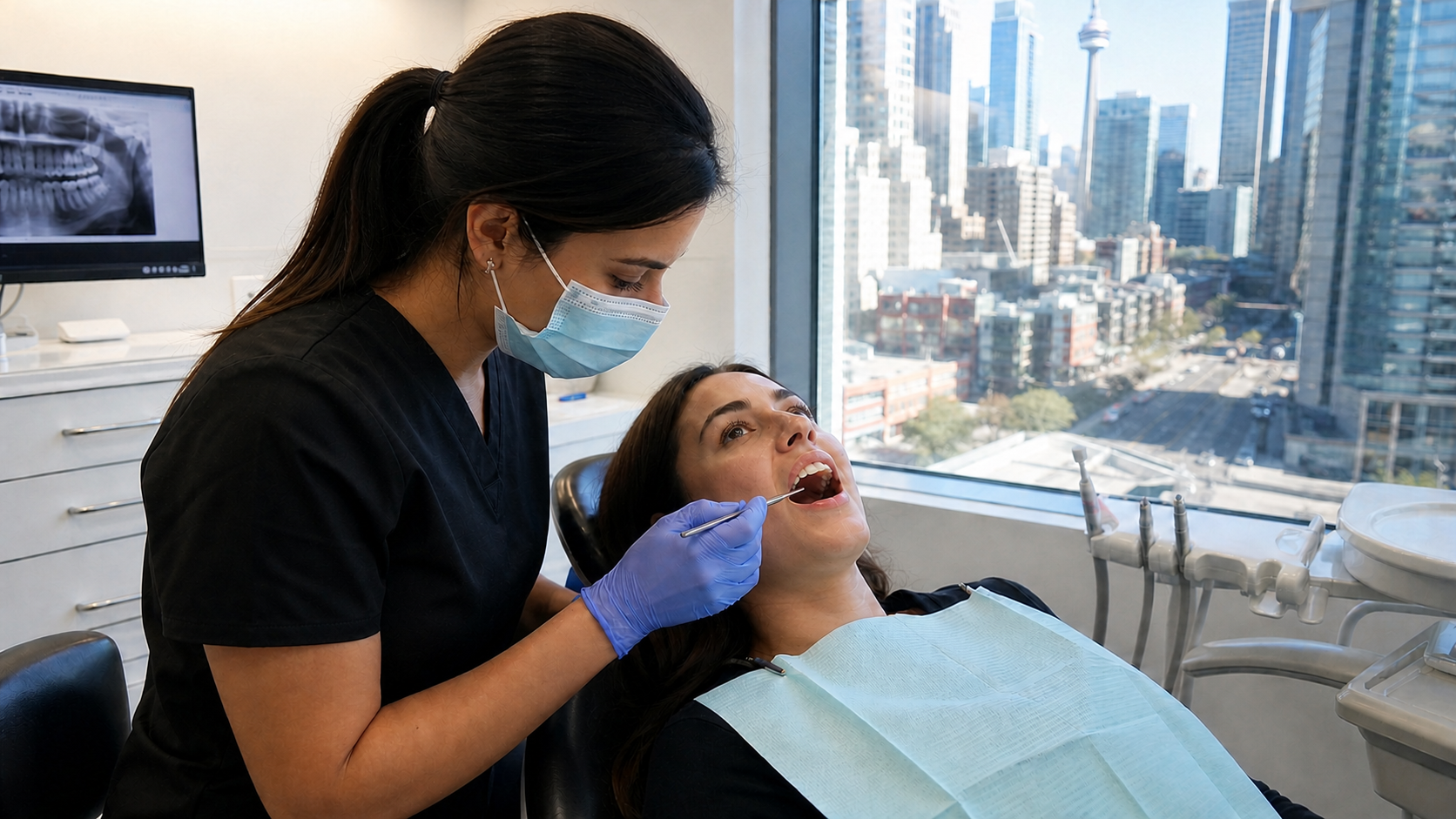
At Yonge Wellesley Dental, our dentists diagnose and treat gingivitis, mild to moderate periodontitis, advanced periodontitis, gum recession and bone loss related to gum disease.
How We Diagnose It
- Periodontal probing and charting, which records how deep the spaces around each tooth are
- Digital X-rays, which show bone levels
- CBCT 3D imaging, when a case calls for it
- Intraoral camera images, so you can see the problem areas yourself
How We Treat It
Treatment is matched to the stage of the disease:
- Scaling and root planing to clean below the gumline, completed over multiple visits by quadrant with local anesthesia for comfort. Read about our scaling and root planing in Toronto.
- Surgical periodontal treatment when your exam shows it is needed
- Periodontal maintenance after treatment: a recall schedule, cleanings more often than usual and monitoring at every exam
Dr. Nerdin Medhat and Dr. Dina Numani, both general dentists with periodontal training, provide our gum care alongside our hygienists.
Paying for Gum Disease Treatment
Yonge Wellesley Dental welcomes Canadian Dental Care Plan (CDCP) members. Gum and periodontal treatments are among the services we offer CDCP patients, subject to CDCP authorization and plan limits, and co-payments may apply.
Before treatment, we give a written estimate and explain what is covered and what is not. You can read more on our CDCP dental care in Toronto page. Third-party financing options are also available.
How to Protect Your Teeth and Your Health
Most gum disease starts with plaque, so daily habits make a real difference. The CDA recommends:
- Brush at least twice a day with fluoride toothpaste and a soft-bristled brush, paying attention to where the teeth and gums meet.
- Floss at least once a day to remove plaque between the teeth.
- Eat a balanced diet and limit sugary snacks and drinks.
- Do not smoke, since smoking can lead to gum disease and tooth loss.
- See your dentist regularly for exams and professional cleanings, so tartar is removed and early signs are caught.
At our clinic, every dental exam in Yonge and Wellesley includes a gum and periodontal evaluation, so changes can be caught and tracked over time.
FAQs About the Dangers of Gum Disease
There is no fixed timeline, because it depends on how much gum and bone has already broken down and whether the disease is treated. Without treatment, the CDA explains that teeth can become loose and fall out. With treatment and regular maintenance, the goal is to stop the infection and keep your teeth stable for as long as possible.
Often, no. The CDA explains that gum disease usually develops slowly and without pain, and the gums are usually not sore in the early stages. Pain can come later, for example with an abscess, which is why regular exams matter even when nothing hurts.
The CDA explains that gum disease usually develops slowly rather than all at once. Because it often does not hurt, it can progress further than people expect before they notice. Routine checkups allow your dentist to chart your gums and spot changes early.
Not always. According to the CDA, early gum disease (gingivitis) can be turned around. Once gum and bone have been lost, the disease can still be treated and managed with deep cleaning, other periodontal care and regular maintenance visits.
The CDA does not describe gum disease as fatal. Its warnings focus on tooth loss, painful infections and links to other health conditions, such as diabetes and heart disease. Treating gum disease early is good for your teeth and for your general health.
Concerned About Your Gums?
If your gums bleed, your breath will not freshen up, or a tooth feels different, the safest step is a proper check rather than an online search.
- A full gum check with charting and X-rays, so you know exactly where you stand
- Deep cleaning, surgical periodontal care and maintenance under one roof
- Clear written estimates, including for CDCP patients, before anything starts
Book online, or drop by Yonge Wellesley Dental at 32 Wellesley St. East in downtown Toronto, for a full gum assessment and, if needed, gum disease treatment in Yonge and Wellesley.