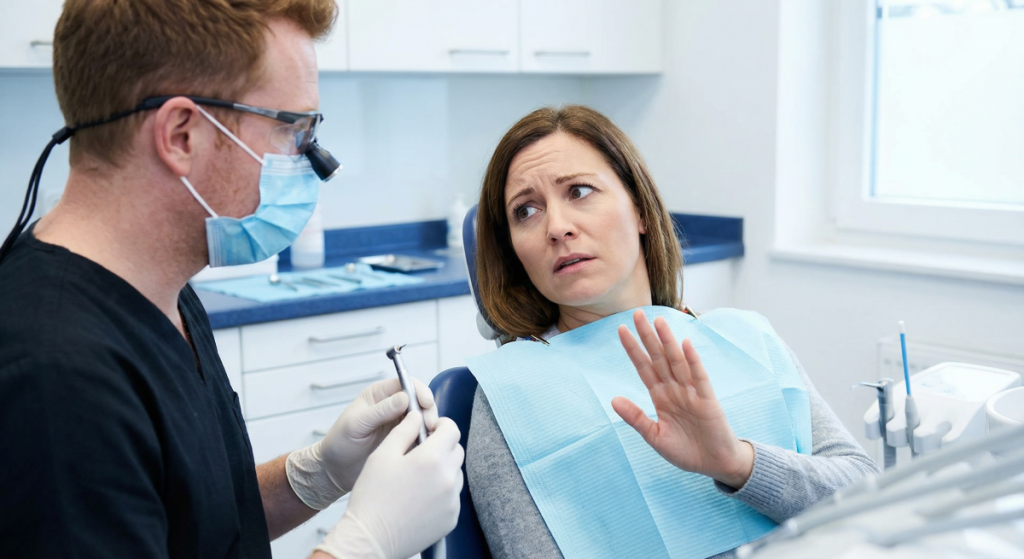
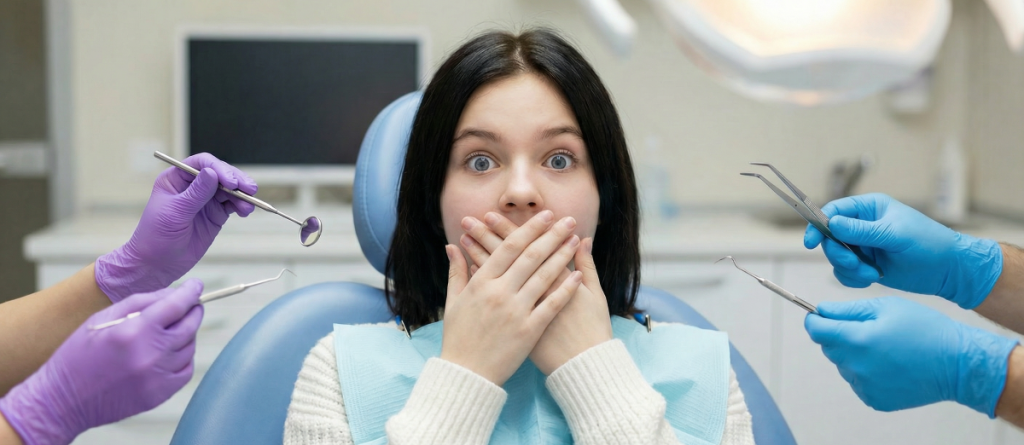
Dental anxiety and dentophobia are characterized by an extreme, irrational fear of dentists or dental procedures, affecting roughly 9-20% of Americans and similarly impacting Canadians.
It is commonly caused by negative past experiences, fear of pain, or fear of needles, leading to physical symptoms like rapid heartbeat and panic.
Clinical management involves open communication, behavioral coping mechanisms (like meditation and hand signals), gradual exposure, and professional sedation options such as nitrous oxide or oral sedation.
Struggling With Dental Anxiety? Finding a Compassionate Dentist Near You in Toronto
For many individuals, the thought of sitting in a dental chair triggers a profound sense of unease. Whether it is a mild apprehension before a routine cleaning or a severe, paralyzing fear that prevents you from seeking care for decades, dental anxiety is a recognized and highly common clinical condition.
At Yonge Wellesley Dental, located conveniently in Downtown Toronto near Yonge St, Bay St, and Dundas Square, we understand that this fear is a barrier to optimal oral health. This comprehensive guide will explore the clinical realities of dentophobia, its underlying causes, and the evidence-based management strategies we employ to ensure you receive the care you need in a comfortable, judgment-free environment.
Understanding and Managing Dental Fear
-
Scientific Recognition: The extreme, irrational fear of dentists is medically termed dentophobia or odontophobia.
-
High Prevalence: This condition affects roughly 9-20% of the population, meaning you are far from alone in your experience.
-
Root Triggers: Fear often stems from negative past dental experiences, fear of needles, or feelings of a loss of control.
-
Severe Consequences: Avoidance of dentists can lead to severe gum disease, rampant tooth decay, and potential tooth loss.
-
Effective Management: Modern dentistry utilizes a combination of open communication, behavioral coping mechanisms, and chemical sedation to safely manage anxiety.
What is Dental Anxiety and Dentophobia?
While often used interchangeably, there is a clinical distinction between generalized anxiety and a true phobia. Dental anxiety refers to a broader sense of uneasiness or apprehension about upcoming dental appointments. Patients with mild anxiety may still attend their appointments but experience significant stress leading up to them.
Conversely, dentophobia (or odontophobia) is the extreme, irrational fear of dentists or dental procedures.
This is a severe condition that triggers a “fight or flight” sympathetic nervous system response, leading to the complete avoidance of care, widespread panic, and ultimately, poor oral health. Recognizing where you fall on this spectrum is the first step toward finding a dental anxiety dentist near me who can accommodate your specific needs.
What Causes Dental Anxiety?
Understanding what causes dental anxiety is crucial for developing an effective treatment plan. The etiology of dental fear is often multifactorial and deeply personal.
The most common clinical causes include:
- Negative Past Dental Experiences: Traumatic events, often occurring in childhood, are a primary catalyst for lifelong anxiety.
- Fear of Pain: Anticipatory anxiety regarding physical discomfort is a powerful deterrent.
- Specific Phobias: Many patients experience localized fears, such as a fear of needles (trypanophobia) or fear of the drill and its associated noises.
- Loss of Control: The physical posture of being reclined in a dental chair, coupled with having a professional work inside one’s mouth, can induce strong feelings of vulnerability and loss of control.
What Are the Clinical Symptoms of Dental Phobia?
Dental phobia symptoms manifest both psychologically and physiologically. When a patient with severe dentophobia approaches a dental clinic, their body may react as if it is in acute physical danger. Recognizing these symptoms allows our clinical team to intervene appropriately.
Common symptoms include:
- Intense panic or dread leading up to the appointment.
- Profuse sweating (diaphoresis).
- Rapid heartbeat (tachycardia) and elevated blood pressure.
- Trouble breathing or hyperventilation.
- Crying or visible distress.
When to Monitor at Home vs. Seek Professional Treatment
Understanding the severity of your anxiety can help determine the best course of action. Below is a clinical comparison of mild dental anxiety versus severe dentophobia.
| Feature | Mild Dental Anxiety (Monitor & Self-Manage) | Severe Dentophobia (Professional Treatment Required) |
|---|---|---|
| Attendance | Hesitant, but still attends routine exams and cleanings. | Completely avoids dental visits for years. |
| Physical Symptoms | Mild nervousness, slight increase in heart rate. | Intense panic, sweating, rapid heartbeat, trouble breathing, crying. |
| Primary Triggers | General discomfort with sounds or mild fear of discomfort. | Severe trauma, paralyzing fear of needles, fear of pain. |
| Management Strategy | Deep breathing, listening to music, discussing fears with the dentist. | Sedation dentistry (nitrous oxide, oral sedation), psychological counseling. |
| Oral Health Impact | Generally maintained through regular [Preventive Dentistry] visits. | Severe gum disease, tooth decay, and potential tooth loss due to avoidance. |
How Can You Manage and Stop Dental Anxiety?
If you are wondering how to deal with anxiety about dentist visits, modern dentistry offers a variety of proven management and prevention protocols. At our clinic, we prioritize your psychological comfort as highly as your physical health.
Effective strategies include:
- Open Communication: We encourage you to tell the dentist about your fears beforehand. Acknowledging the anxiety allows our team to tailor the pacing of your appointment.
- Behavioral Coping Mechanisms: We support the use of personal coping tools. Listening to music or practicing meditation during the appointment can drastically reduce sensory overload. Furthermore, establishing hand signals to stop the procedure instantly returns a sense of control to the patient.
- Gradual Exposure: For patients with profound fear, we recommend starting with simple check-ups rather than complex procedures. A routine dental exam in Yonge and Wellesley, Toronto is the foundation of preventive and diagnostic dental care and serves as a low-stress reintroduction to the clinical environment.
Explore our extensive guide on practical techniques in our article: How to Deal With Dental Anxiety: Proven Management Strategies in Yonge and Wellesley, Toronto
How Does Sedation Dentistry Help?
When behavioral techniques are insufficient, pharmacological intervention is a safe and highly effective alternative. Dental anxiety management frequently utilizes sedation to depress the central nervous system just enough to induce relaxation without compromising patient safety.
- Nitrous Oxide: Commonly known as laughing gas, this is inhaled and provides mild, reversible relaxation.
- Oral Sedation: Prescribed medication taken prior to the appointment provides a deeper state of conscious sedation.
- IV Sedation: Administered intravenously for complex procedures or severe phobia.
In very severe cases of dentophobia, professional psychological counseling may be required before dental work can safely commence.
What Happens When You Avoid the Dentist for Years?
We frequently see patients who are scared to go to the dentist after 10 years or more. Prolonged avoidance leads to a compounding cycle: the longer you wait, the worse the oral health becomes, which in turn increases the shame and fear of returning. Avoidance directly leads to severe gum disease, progressive tooth decay, and potential tooth loss. Eventually, this necessitates extensive Restorative Dentistry or even Oral Surgery. Breaking this cycle requires a compassionate, judgment-free environment.
If it has been years since your last visit, please read our dedicated guide: Scared to Go to the Dentist After 10 Years? Here’s How to Start in Yonge and Wellesley, Toronto
Your Pathway to Stress-Free Dental Care in Downtown Toronto
Overcoming dental anxiety is a journey, but it is one you do not have to undertake alone. At our Downtown Toronto clinic near Yonge St, Bay St and Dundas Square, dental exams are designed to evaluate oral health and identify concerns early while prioritizing your emotional comfort.
Whether you need a simple Dental Exam, gentle Dental Hygiene care, or a comprehensive discussion about sedation options, our clinical team is trained to accommodate your needs at a pace you dictate.
Frequently Asked Questions (FAQs)
What is the difference between dental anxiety and dentophobia?
What causes dental anxiety in most patients?
What are the physical symptoms of dental phobia?
How can I manage my fear during a dental procedure?
What sedation options are available for dental anxiety?
Is it normal to be scared to go to the dentist after 10 years?
Can severe dental phobia be cured?
Ready to Reclaim Your Smile Without the Stress? Book Your Judgment-Free Consultation Today
Take the first step toward overcoming your fear. Contact Yonge Wellesley Dental to schedule a zero-pressure consultation and discover how comfortable modern dentistry can truly be.